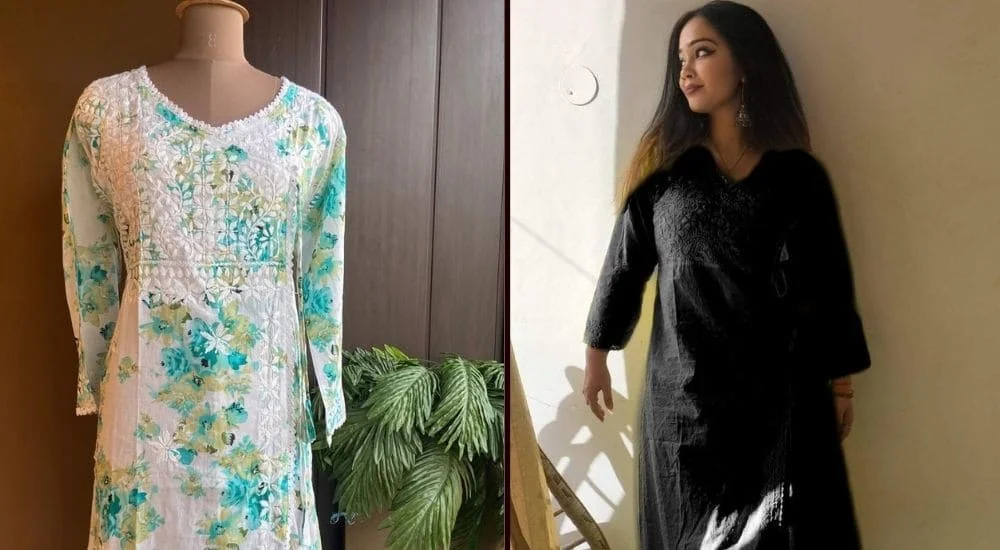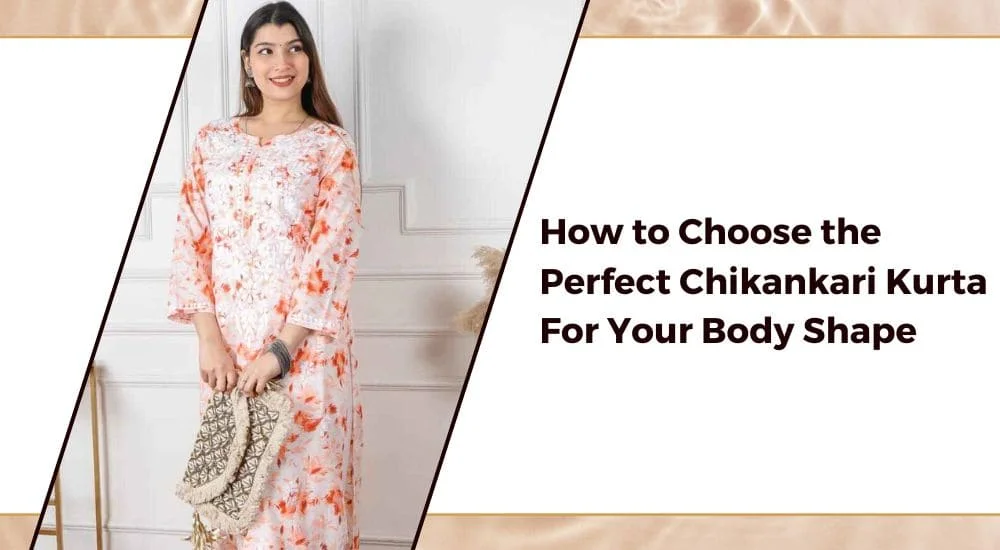
Chikankari is a perfect example of a classic ethnic charm, filled with intricate embroidery and intricate craftsmanship. Selecting the right Chikankari kurta for your body type can be a challenge. A bad-fitting style can highlight areas you want to hide, so it’s important to understand your body proportions and suitable kurta. Today, we will help you navigate the diverse world of Chikankari kurta, ensuring you choose styles that enhance your natural beauty.
Let’s first understand body type
Before finding specific recommendations, it is important to determine your body type. The primary body shapes are apple, pear, hourglass, and rectangle. Each shape has unique characteristics that affect which styles will be most attractive.
Choosing the Ideal Chikankari Kurta for Your Body Type
When selecting Chikankari outfits, it is important to understand how they complement your figure. This knowledge empowers you to make choices that ensure comfort while enhancing your appearance.
Best Chikankari Kurtas for Different Body Types
Different body types require different styles of Chikankari Kurtis:
- Apple shape: Choose flared styles that help create balanced proportions.
- Pear shape: The A-line cut will elongate your silhouette.
- Hourglass shape: A fitted design will highlight curves.
- Rectangle shape: The peplum style helps create the illusion of curvature.
- Choosing Chikankari Kurtas Matches Your Body Shape.
- Choosing Chikankari kurtis that match your figure enhances your look and boosts confidence
- Choose clothes that hang beautifully according to your body shape.
- Pay attention to details such as the position of the embroidery.
- Choose colors that enhance your skin tone while also matching your body proportions.
Choosing the Right Clothes for Your Body Shape
The material of your Chikankari suit is crucial in shaping its overall appearance and texture. Lightweight materials such as cotton, silk, Chanderi, crepe, and rayon are ideal for the Indian climate. These hang beautifully and adorn different body types. Avoid stiff fabrics like satin or heavy brocade, as these can add unnecessary thickness.
Blended fabrics like cotton and silk ensure a luxurious appearance while providing the perfect blend of comfort and luxury. Solid colors or light prints combined with intricately designed dupattas create a visually appealing and balanced ensemble.
A Complte Guide to Chikankari Kurtas by Body Shape
Here is the complete guide to choosing the Chikankari kurta or suit as per your body shape. Remember, it is important to match Chikankari Kurtas to Your Body Figure for a better attractive look. Hence, Finding the Right Chikankari Kurta for Your Figure.
1. Chikankari Suit For The Apple Body Type
Here is the complete guide to choosing the Chikankari kurta or suit as per your body shape. Remember, it is important to match Chikankari Kurtas to Your Body Figure for a better attractive look. Hence, Finding the Right Chikankari Kurta for Your Figure.
2. Chikankari Suits For Pear Body Type
The pear body shape features rounded hips and thighs, while the bust and shoulders are narrower. The primary goal is to create volume in the upper body while diverting attention from the lower body.
A-line Chikankari kurtas are especially flattering for pear-shaped figures, as they provide a more balanced silhouette compared to fitted styles. It is better to pair these with churidars rather than loose sharara, which can emphasize wide hips.
Scoop necks, boat necks, and square necklines can help widen the upper body, while three-quarter or long sleeves are better than sleeveless options.
Avoid heavy embellishments around the neck and shoulders, as these can add unnecessary thickness. Jackets or bolero-style Chikankari kurtas underneath can be effective in balancing heavy shapes.
3. Chikankari Suit For Hourglass Type
Fitted Chikankari kurtas beautifully showcase the hourglass curves. Pair these with thin churidars or pants to achieve a more attractive look. Kurtis that cinch the waist enhances natural curves, while princess-cut Anarkalis that flares out slightly at the bottom are excellent choices.
The scoop neck and sweetheart neckline highlight the defined collarbone, while the three-quarter sleeves balance the open shoulders.
Vibrant-coloured or intricately embroidered dupattas can focus on your slim waist by draping them at the waist. Avoid boxy or oversized kurtis. Instead, choose medium to short-length options that are perfect for hourglass shapes.
Rectangle body shapes usually don’t have significant waist definition, with bust, hip, and shoulder widths being roughly equal. The goal is to create the illusion of curves while emphasizing the waist.
Fitted Chikankari kurtis with side slits or ties can accentuate rectangular shapes as they provide waist definition. The peplum style and asymmetrical hemline also contribute to a curvaceous silhouette. Pair these with narrow pants or leggings, and avoid loose silhouettes that can overweight your frame.
Opt for boat necks, V-necks, and square necklines to add more visual interest than high necks. Half sleeves and short sleeves effectively disrupt the straight silhouette. Decorative additions and bold dupattas worn at the waist can draw attention where needed.
Choosing the perfect Chikankari suit requires understanding your body type and choosing a style that highlights your best features while balancing out any problem areas. Consider necks, sleeve styles, lengths, and cuts that go with your proportions. Investing in a versatile Chikankari suit allows you to easily dress up for a variety of occasions.
Keeping these tips in mind, you will find a Chikankari suit that will not only enhance your appearance but also give you the confidence to wear this beautiful ethnic wear. Remember that everybody is unique; Celebrate yourself by choosing outfits that make you feel great!

Add comment